Tech Bytes: Australia launches privacy probe into Chinese smart-glasses maker
Last updated: 16:21 07 Oct 2026 AEDT, First published: 14:46 07 Oct 2026 AEDT
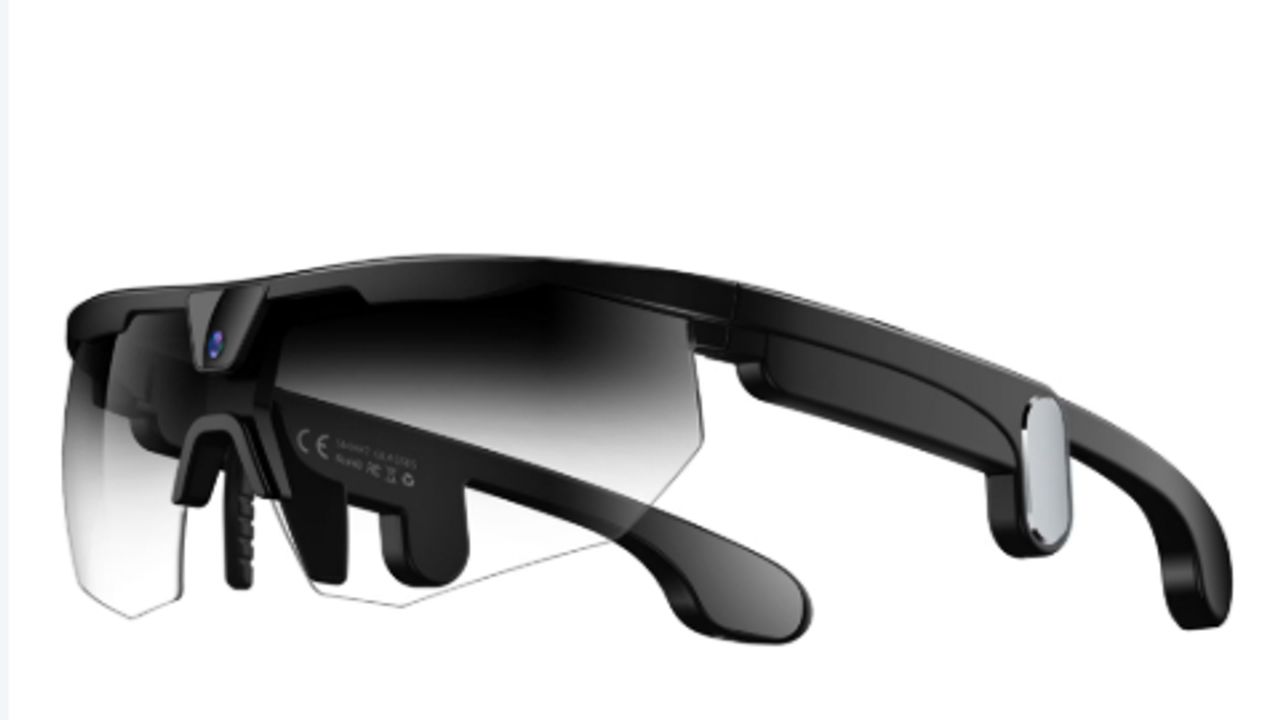
Australia’s privacy watchdog has launched a formal investigation into a Chinese technology company behind low-cost smart glasses sold through major Australian retailers after security testing identified serious vulnerabilities that could expose users’ personal information.
The Office of the Australian Information Commissioner is investigating Shenzhen Qingcheng Future Technology Co, developer of the HeyCyan smartphone app used with camera-enabled glasses available through retailers including Kmart, Big W Marketplace and Amazon.
The investigation follows testing that identified more than a dozen security weaknesses affecting the app and associated online services, including vulnerabilities that could potentially expose users’ email addresses, dates of birth, photographs and videos.
Australian Privacy Commissioner Carly Kind said the regulator had a “range of concerns” about the company’s handling of personal information and would now use its formal investigative powers to determine whether Australian privacy laws had been breached.
Smart glasses could be hijacked
Some of the most serious concerns relate to how easily the devices could potentially be accessed.
Independent cybersecurity testing found nearby attackers could in some circumstances connect to the glasses through Bluetooth without entering a password, potentially allowing unauthorised access to stored information.
Testing also found some user information was being transmitted to servers in China.
The smart glasses resemble conventional eyewear but contain cameras, microphones and other technology capable of capturing photographs, video and audio.
Their relatively discreet design has already prompted a broader Australian debate over whether people can easily identify when they are being recorded.
The latest investigation adds another concern: whether the devices themselves and the software supporting them provide adequate protection for the people who own them.
Shenzhen Qingcheng has said engineers have addressed security problems identified through earlier testing, although subsequent analysis reportedly found some vulnerabilities remained unresolved or had only been partly corrected.
Company failed to respond to regulator
The decision to launch a formal investigation followed repeated unsuccessful attempts by the privacy commissioner to obtain information directly from Shenzhen Qingcheng.
The company did not respond to multiple approaches from the regulator.
A formal investigation gives the commissioner greater powers to compel the company to provide information about its data collection, security practices and compliance with Australian law.
The regulator is particularly interested in what information the devices record, where that data is stored, who can access it and whether facial recognition or similar technology is involved.
Potential penalties under Australian privacy law can be substantial, with serious breaches carrying fines of up to A$50 million per contravention or larger amounts depending on the circumstances.
Retailers urged to reconsider sales
Australian retailers have also been put on notice.
The privacy commissioner has written to retailers and the Australian Retail Council advising them of the investigation and suggesting sellers consider whether they should continue offering affected products while questions remain around their security.
Kmart has since removed the smart glasses from its website.
The Federal Government has so far stopped short of introducing a broad import ban, although restrictions on recording-capable smart glasses within government workplaces are being considered.
Several Australian councils and other organisations have separately begun restricting the use of camera-equipped eyewear in locations such as swimming pools, gyms and changing facilities.
The investigation highlights a growing challenge for regulators as increasingly sophisticated cameras, microphones and artificial intelligence capabilities are incorporated into everyday wearable technology.
For Australia’s technology industry, the issue is shifting beyond whether smart glasses should be allowed to record people discreetly.
Regulators are now asking an equally important question: whether the devices collecting that information can be trusted to keep it secure.