

The energy drink market is fragmenting, and that's good news for challengers
Published: 11:00 27 Jul 2026 EDT
For years, the energy drink aisle has told a simple story: Red Bull, Monster and Celsius fight for the top spot, and everyone else fights for scraps. New data from UBS suggests that script is flipping.
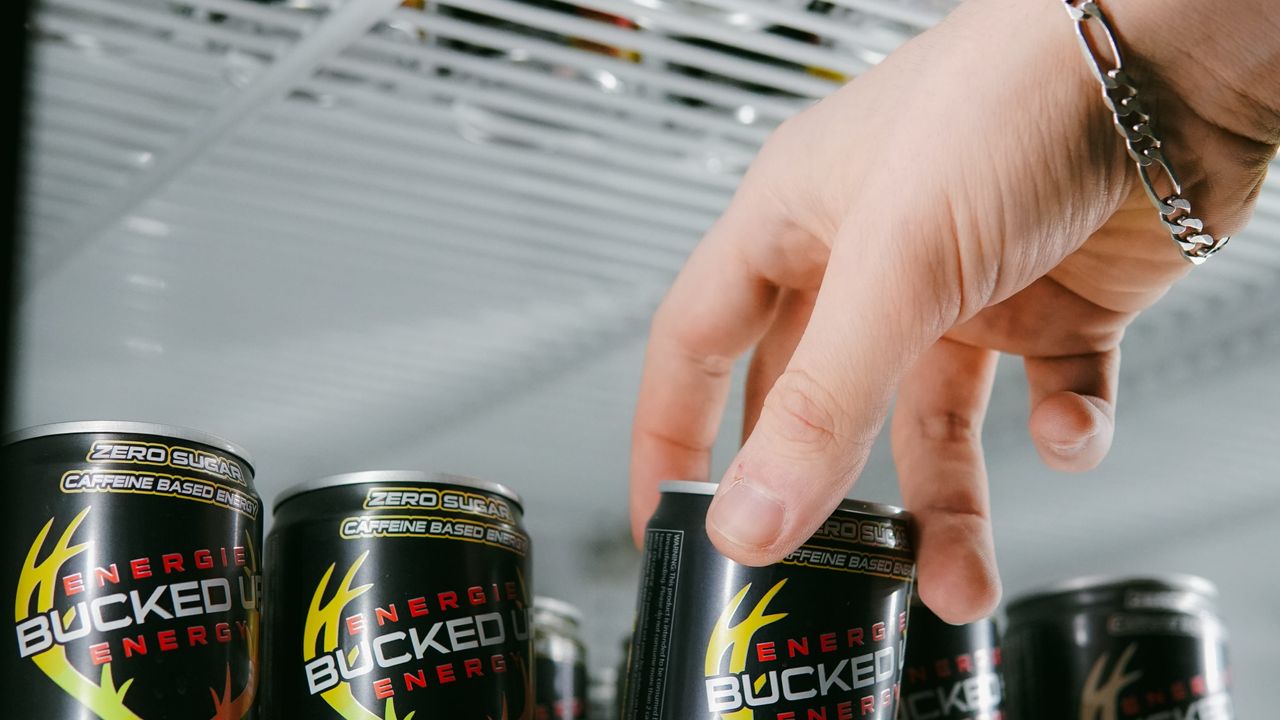
While the category remains the strongest performer in Staples, growth is increasingly coming from challenger brands, from Bum Energy to a Canadian-distributed player called Bucked Up, that are chipping away at a market once considered a closed shop.
According to the bank's latest research, the category is running at 8.5% year-over-year growth on a 13-week basis, still the best in its peer set, though down from the roughly 12% pace seen earlier this year. UBS attributes part of the recent deceleration to pressure in convenience and gas channels, likely tied to elevated fuel prices stemming from ongoing geopolitical tension rather than a fundamental crack in consumer demand for caffeine.
The bigger story, though, is who's driving the growth. For years, Monster, Red Bull and Celsius have functioned as a de facto oligopoly, together controlling roughly 85% to 86% of the category. UBS's data shows those three now driving less of the growth than they once did, while the rest of the field, everything outside the Big Three, is posting double-digit gains. "Other" manufacturers now account for nearly a third of the dollars added to the category so far this year, a sharp shift from where things stood at the start of 2026.
Brands like Bum Energy, 1st Phorm and Gorilla Mind are putting up growth rates near triple digits on a trailing four-week basis. UBS's eighth wave of its Evidence Lab Energy Drink Survey found that brand loyalty in the category is thin to the point of being almost nonexistent. Only 12% of traditional energy drink consumers say they'd stick with their preferred brand if given the chance to try something new, and that number drops to 10% among zero sugar drinkers. Roughly 42% of respondents say they actively seek out new products on a regular basis.
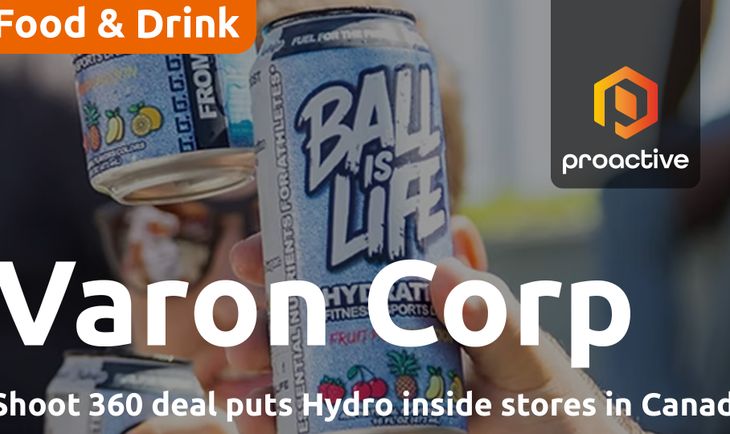
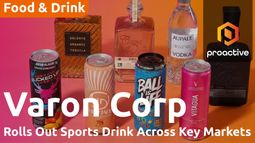
That is fertile ground for challenger brands willing to fight for shelf space. Bucked Up, a performance energy and supplement brand with roots in fitness and athletic communities, is one example. In Canada, the brand is distributed through Varon Wellness, a division of Varon Corp (OTCID:OZSC) currently finalizing a previously announced transaction with Ozop Energy Solutions. Varon Wellness recently secured a commitment worth more than C$500,000 from a major national warehouse retailer, centered on a new mini can format designed for high-volume, multi-unit retail environments.
It's a small but telling data point: warehouse club retail is exactly the kind of high-frequency, bulk-purchase channel UBS flags as a beneficiary of consumers' growing appetite for multipacks and bundle deals, a trend the survey found especially pronounced among full sugar energy drinkers.
Varon Wellness has also been broadening Bucked Up's presence across convenience, grocery and mass retail channels in Canada. Based on current distribution and account pipeline, the company projects roughly C$2 million in Bucked Up sales for the 2026 calendar year.
Zero sugar keeps reshaping the map
Layered on top of the competitive shakeup is a formulation shift that shows no sign of slowing. Zero sugar energy drinks have steadily gained share against full sugar offerings, now accounting for roughly 48% of category volume compared to 52% for full sugar, according to UBS's Nielsen-based analysis. More than half of zero sugar consumers say they switched over from traditional full sugar brands like Red Bull and Monster, drawn by lower calorie counts without sacrificing taste.
Consumption intentions across both segments remain strong, with the vast majority of survey respondents saying they plan to maintain or increase their intake over the next six months. UBS's base case calls for category growth of 10% in 2026 and 7% in 2027, a deceleration from recent years but still enviable by Staples standards.
The takeaway for an industry watching this space closely: energy drinks aren't slowing because consumers are losing interest. They're maturing into a more fragmented, more competitive market, and brands willing to innovate on format, price and function are increasingly where the growth actually lives.