


Creo Medical expected to develop to profitability using internal resources - broker
Published: 06:12 17 Feb 2025 EST
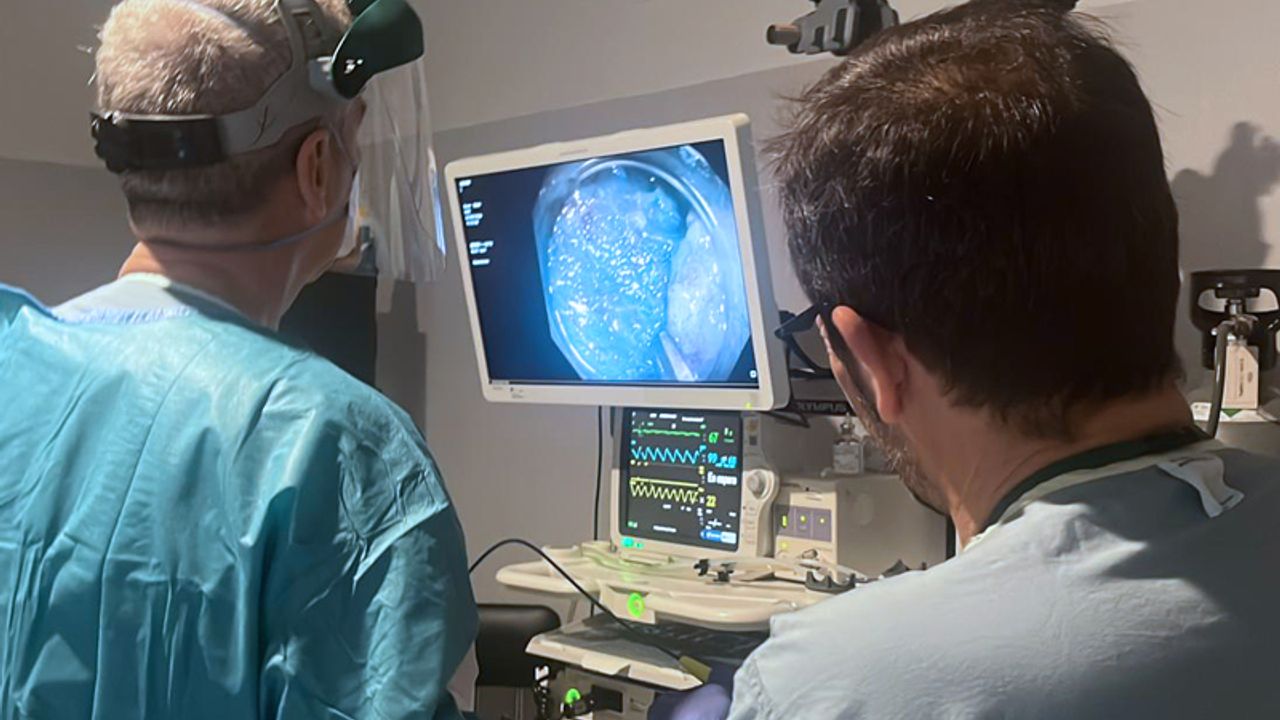
Creo Medical Group PLC (AIM:CREO) should develop to profitability using only its internal resources now, following the sale of its European distribution subsidiary and last year's fundraising, according to broker Cavendish.
The house broker to the company reiterated its 70p target price, compared to the last close at 18.9p, and said it was leaving most of its near-term forecasts unchanged following a post-close trading update from the surgical devices outfit.
However, the cash balance estimate was raised to £12.1 million after the trading statement, with the company also saying it completed the sale of its 51% interest in Creo Europe and the cash proceeds of €30 million were received last Friday.
In line with the company’s £5 million cost reduction last year, Cavendish has lowered its administrative expenses for 2026 and the year after and sees the company ending 2027 with cash of £8.2 million.
Analysts at the broker said their current operating cost forecasts are likely to be conservative compared to these cost-reduction programmes.
Looking to 2025, when the full benefit of the £5 million cost cuts are set to come through, the analysts also expect the company to provide clinical updates through the year on the MicroBlate Flex (lung) and MicroBlate Fine (pancreas, live, kidney), as well as progress reports on the development of the SpydrBlade technology and commercial updates on the uptake of the Speedboat system.
"We remain positive on Creo’s core technology, and its commercialisation strategy focused on developing its own product lines and collaborating with surgical robotic partners," the broker said.
"Following completion of the recent fund raise and sale of the 51% share of Creo Europe, we expect the company to develop to profitability utilising its internal resources.
"While generating returns for shareholders and reducing healthcare expenditure, Creo’s technology has the potential to significantly improve the clinical outcomes for patients with a range of cancer."